A Leading Global Manufacturer Of Recycling Machinery.

Call Us At +918849171589

Address
Ahmedabad, Gujarat(India)

Email Address: info@maskhydraulics.com

Double Action Baler Manual Door

  • Home
  • Double Action Baler Manual Door
DOUBLE ACTION BALER MANUAL DOOR 2 jpg 2

Highly Advanced Double Compression Manual Door

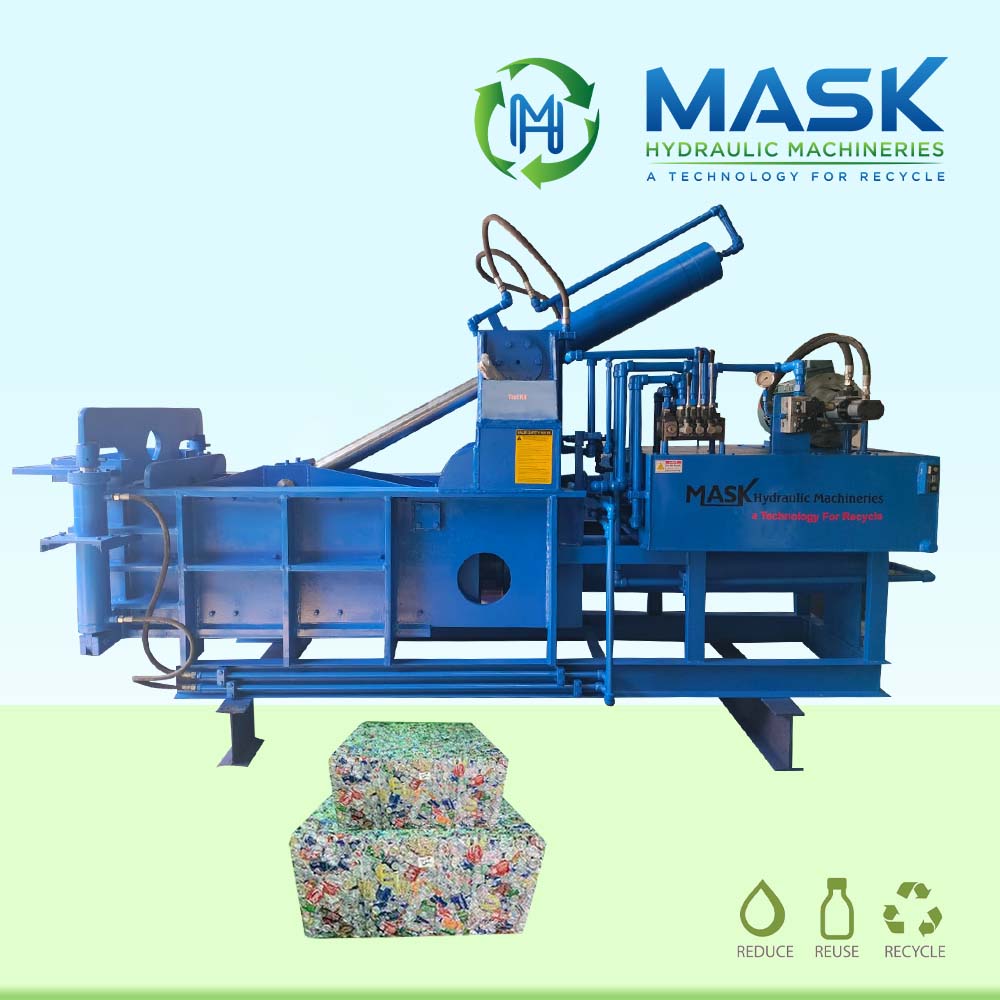
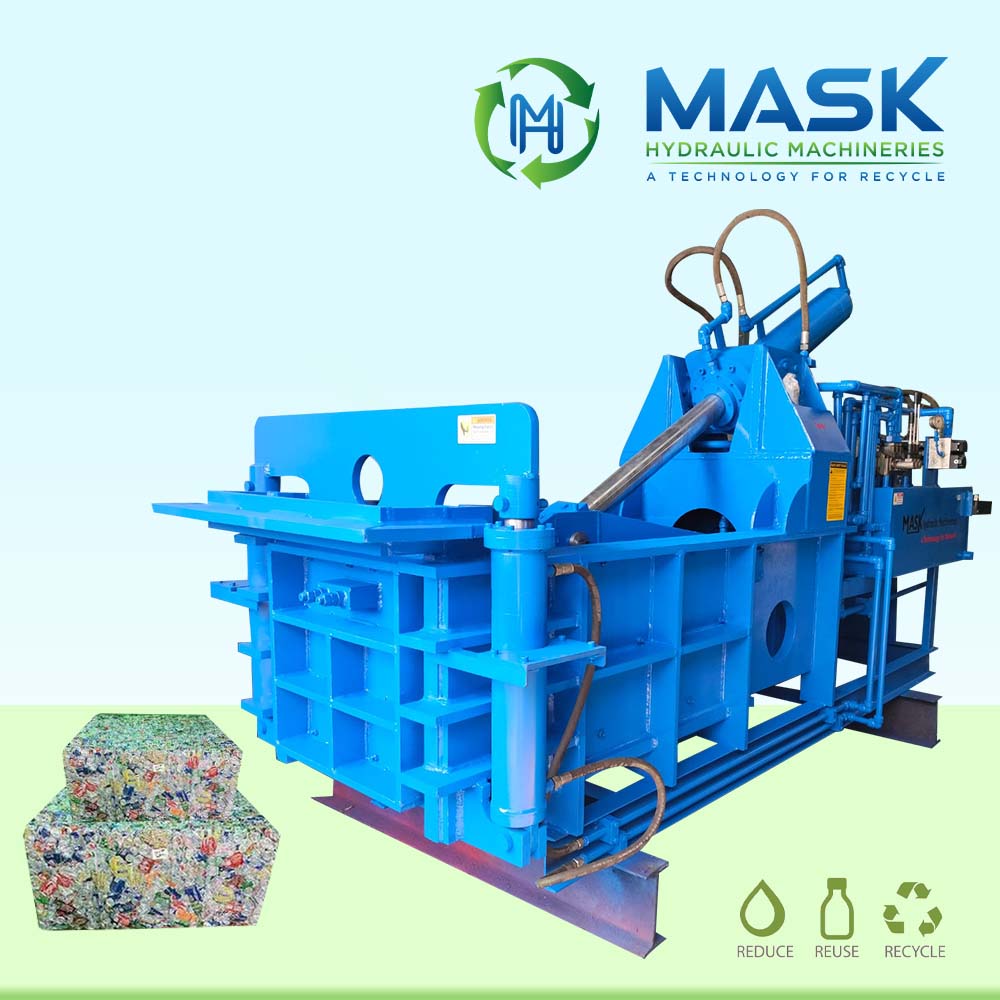
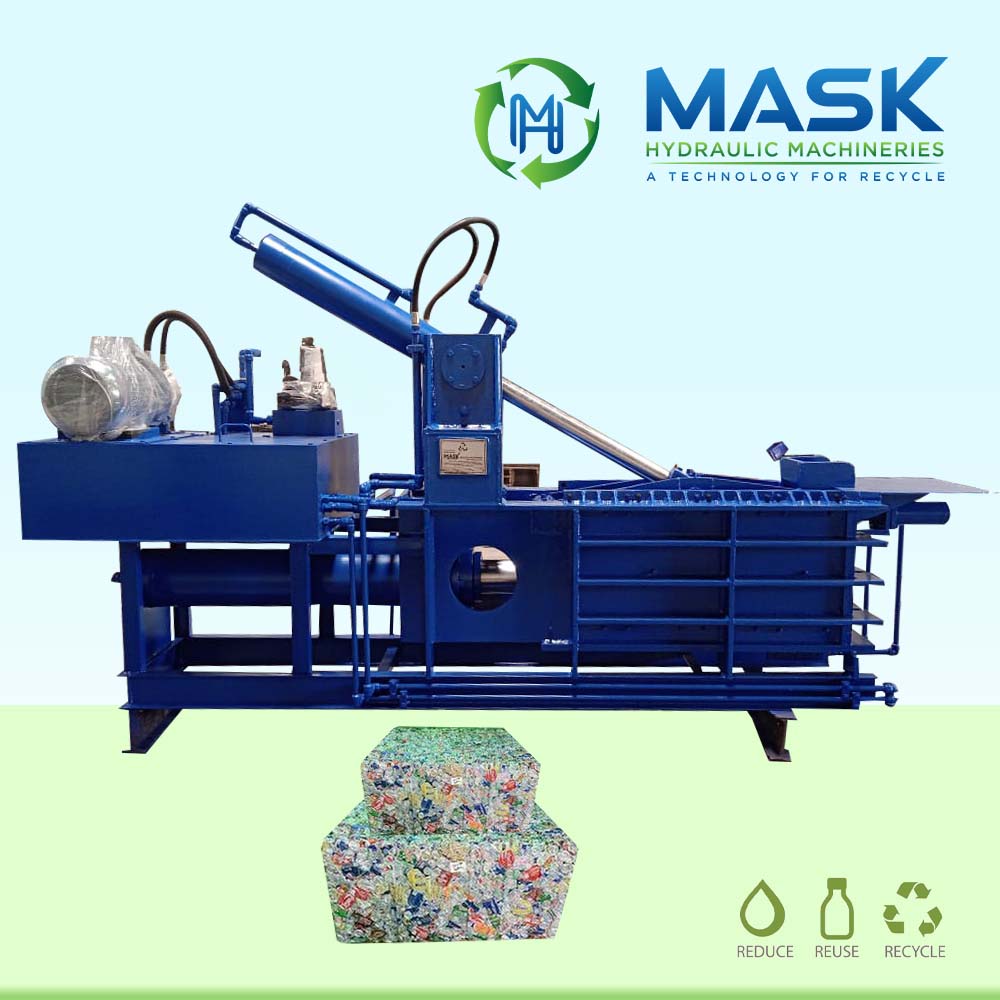
Double Compression Manual Door metal scrap baling press machine primarily compresses light scrap metal such as waste cans and tins, stainless steel scrap, copper scrap, several metal shavings, waste aluminum profiles, aluminum chips, non-ferrous and ferrous metal scrap, and so on…
Mask’s Double Compression Manual Door metal scrap baling press machine is mainly used in steel manufacturers and many waste disposal recycling centers. This equipment is composed of three sections: hydraulic system, electrical system, mainframe, automatic PLC control, or manual control, which is a more optional choice for you. It can compress many materials such as metal scrap, aluminum scrap, stainless scrap, copper scrap, all kinds of ferrous and non-ferrous metals, and more.

LOOKING FOR Bailing Machineries Manufacturers, Suppliers

A Technology For Recycle

Contact Us

telephoneCall Now: +91-88491-71589

MASK Hydraulic Machineries logo w

Working Principle of Double Compression Manual Door

The metal scrap is placed into the box chamber using a grabber or other tools. Then, the lid of the baler machine is closed, and the main cylinder presses the scrap metal to the limit of the side cylinder. Then, the operator has to open the door manually, the main cylinder pushes the bale out. At last, each cylinder returns to its initial position and closes the door, the bale cycle is complete.

DOUBLE ACTION BALER MANUAL DOOR 3 jpg 1
DOUBLE ACTION BALER MANUAL DOOR 1 jpg 1

Applications of Double Compression Manual Door

Advantages of Double Compression Manual Door Metal Scrap Baling Press

DOUBLE ACTION BALER MANUAL DOOR jpg 4
1. This machine adopts a side forward-out type to push the bale out.
2. It is simple to operate and maintain, saving stock and labor costs, transportation costs, and space.
3. Automatic PLC control with remote and manual control, two methods of control for your convenience, easy to use and maintain.
4.Output capacity ranges from 500 to 5000 kg per hour, giving you more alternatives.
5.The inner wear plate adopts a well-known international brand of NM450 that is both durable and trustworthy, and Hardox450 is optional.
6.Bale size and weight can be modified to meet your specific needs.
7.Uses German Hydraulic technology to ensure the equipment runs smoothly and consistently.
8.Adopts an international well-known brand of hydraulic pump and valves, to extend the service life of the baler machine.

Product Gallery

Parameters

Model Box Size (INCH) Bale Size (INCH) Bale Weight (KG) Power (HP)
ECONOMY 5 X 15 45X15X12 5 X 15 15-20 15
ECONOMY 6 X 15 45X15X13 6 X 15 20-25 15
ECONOMY 8 X 15 45X15X15 8 X 15 20-25 15
ECONOMY 10 X 15 45X15X17 10 X 15 25-30 15
ECONOMY 12 X 15 45X15X18 12 X 15 30-35 15
ECONOMY 12 X 18 45X18X20 12 X 18 35-40 15
ECONOMY 18 X 18 50X18X26 18 X 18 50-55 20
ECONOMY 20 X 20 50X20X28 20 X 20 60-65 20
ECONOMY 12 X 24 50X24X20 12 X 24 60-65 20
ECONOMY 16 X 24 50X24X24 16 X 24 65-70 20
ECONOMY 18 X 24 60X24X22 18 X 24 70-75 20

Frequently Asked Questions

What materials does the Double Action Baler Manual Door compress?
Light scrap metal mostly — waste cans and tins, stainless steel scrap, copper scrap, metal shavings, aluminum profiles and chips, plus a mix of ferrous and non-ferrous scrap generally. Steel manufacturers and waste disposal recycling centers are the two settings it’s most commonly put to work in.
Manually, as the name gives away. The main cylinder presses scrap to the side cylinder’s limit; an operator then opens the door by hand before the main cylinder pushes the bale out. Simple, mechanical, and dependent on someone being present at that step of the cycle.
Both, actually. Automatic PLC control with remote operation is available, and manual control remains an option too. Having the choice matters for facilities that want flexibility between hands-off running and closer manual oversight, rather than being locked into one mode permanently.
Anywhere from 500 to 5000 kg per hour, depending on the model chosen from the range. That’s a fairly wide spread; smaller ECONOMY models at the lower end suit lighter volumes, while the larger configurations are built for steadier, heavier throughput.
Eleven — ECONOMY 5X15 through ECONOMY 18X24. Bale weight rises from 15–20 KG on the smallest unit to 70–75 KG on the largest, with power climbing alongside from 15 HP up to 20 HP; box and bale dimensions scale with each step too.
NM450, from a well-known international brand, is the standard inner wear plate — chosen for durability under repeated compression. Hardox450 is offered as an optional upgrade; for operations running high daily cycles, that upgrade is worth weighing against the standard plate’s expected service life.
Yes, both can be modified to suit specific requirements. Facilities working to a mill buyer’s bale-weight specification, or constrained by transport and storage limits, should flag their target figures at enquiry stage so the configuration is set correctly from the start.
German hydraulic technology keeps the equipment running smoothly and consistently, paired with an internationally recognized brand of hydraulic pump and valves. That pairing is aimed squarely at extending service life — a detail worth asking about on any baler expected to run for years.
Aluminum UBC cans and tins, aluminum wire scrap, copper wire and tube/pipe scrap, light scrap metal, mixed aluminum scrap, rebar and waste steel wire, and stainless steel scrap — a fairly broad application list for a machine built around a single compression design.
Side forward-out bale ejection, simple operation and maintenance, and real savings on stock, transportation, and space top the list. As per the manufacturer, the combination of manual and PLC control adds further convenience — useful for operations wanting flexibility without added complexity.
error: Content is protected !!